

Company News
18th November 2026

Every November, wine lovers across the world celebrate the arrival of Beaujolais Nouveau, the first French red wine of the new vintage. Released just a few weeks after harvest, it’s one of the wine world’s most unique traditions and a brilliant opportunity for pubs, bars and restaurants to create excitement, drive footfall and give customers something genuinely seasonal to enjoy.
But what exactly is Beaujolais Nouveau, and why does it arrive with so much fanfare?
Beaujolais Nouveau is the first red wine released from France’s annual grape harvest.
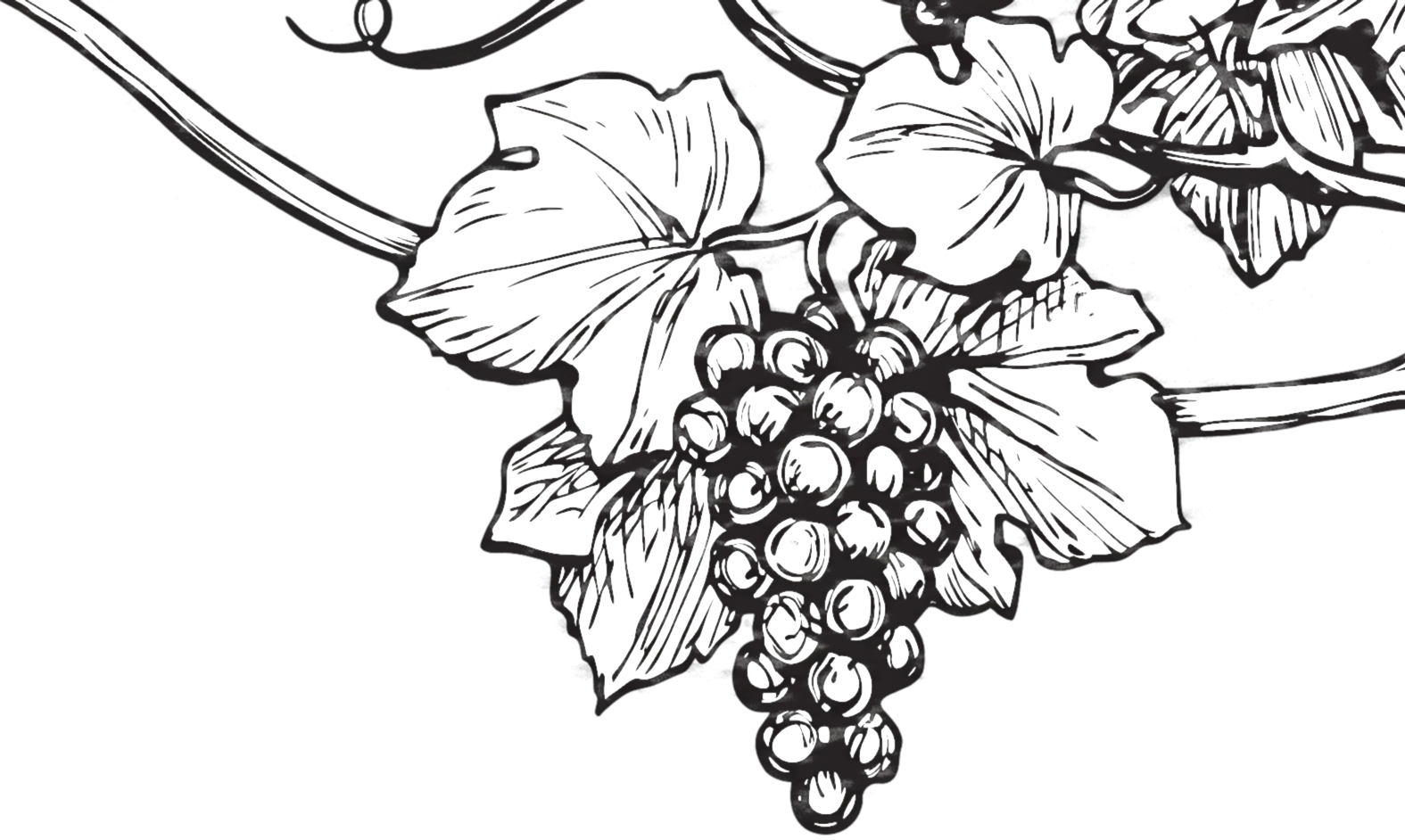
Produced in the Beaujolais region of eastern France using the Gamay grape, it is deliberately made to be enjoyed young, fresh and vibrant. Unlike many red wines that spend months or even years maturing before release, Beaujolais Nouveau is available just six to eight weeks after harvest.
Every year, the new vintage is officially released on the third Thursday of November, turning what might otherwise be a routine wine launch into a global celebration.
The secret lies in a winemaking technique known as carbonic maceration.
After being harvested by hand, whole bunches of Gamay grapes are placed into large tanks and blanketed with carbon dioxide. With little or no oxygen present, a unique style of fermentation begins inside the individual grape berries.
This process produces a wine that’s:
It’s a fast and distinctive method that creates a very different style to many traditional red wines.
Forget heavy, oak-aged reds. Beaujolais Nouveau is typically:
Its freshness and vibrancy are exactly why it has become associated with celebrations and social occasions.
The wine’s rise to fame was driven by one of the most successful marketing campaigns in wine history.
The annual race to deliver the first bottles of the new vintage around the world captured imaginations throughout the 1970s and 1980s. In the UK especially, Beaujolais Nouveau became synonymous with launch parties, celebrations and queues outside bars waiting for the first taste of the new vintage.
While the hype may have cooled since its peak in the late 1980s, a new generation of drinkers is discovering exactly what made it special in the first place.
Perhaps nowhere in the UK embraces Beaujolais Nouveau quite like Swansea.
Every year, thousands of people descend on the city to celebrate Beaujolais Nouveau Day, turning the annual wine release into a major social occasion. The tradition has become one of the most recognisable Beaujolais celebrations outside France and highlights the enduring appeal of the event.
This is one of the most common questions consumers ask. Beaujolais Nouveau isn’t designed to be a complex, age-worthy wine. It isn’t trying to compete with a mature Burgundy or Bordeaux.
Instead, it offers something different:
Like many seasonal products, part of the appeal is the occasion itself.
At its heart, Beaujolais Nouveau is about more than just wine. It’s about celebrating the harvest, supporting producers, discovering a new vintage and giving people a reason to get together. And in an age where consumers are increasingly seeking experiences, occasions and stories behind their drinks, that feels more relevant than ever.
Whether you’re a long-time fan or trying it for the first time, Beaujolais Nouveau remains one of the most distinctive and enjoyable traditions in the wine calendar.